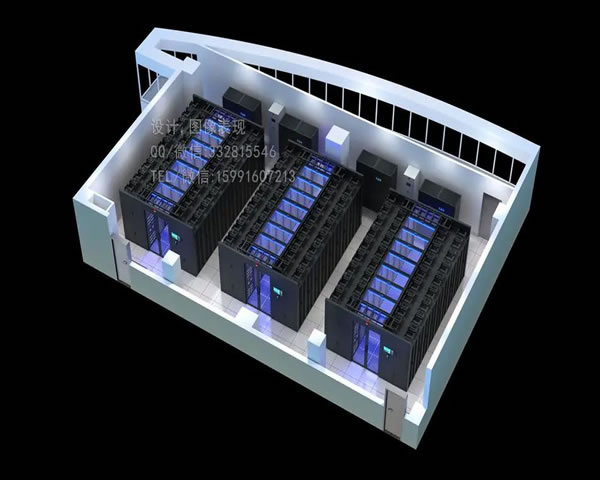
in today's digital age, building a vps (virtual private server) in a hong kong computer room has become a need for many companies and individuals. hong kong's network environment is superior and has low latency, making it suitable for building various applications. this article will introduce in detail the steps to set up a hong kong computer room vps so that you can easily get started.
this article will be divided into several parts, each part will describe the specific steps in detail to ensure that you can get help in actual operations.
let's get started!
1. choose the right vps service provider
before setting up a vps, you first need to choose a reliable vps service provider. there are many service providers on the market that provide vps services for hong kong computer rooms. you can choose based on the following points:
- server performance: view configurations such as cpu, memory, storage, and bandwidth.
- price: the prices of different service providers vary greatly, so choose the solution with the highest cost-effectiveness.
- after-sales service: ensure that the service provider provides good technical support.
- user reviews: view feedback and reviews from other users.
2. register and purchase vps
after choosing a service provider, you need to register an account and purchase a vps. the specific steps are as follows:
- visit the service provider's official website, click the registration button, and fill in the necessary personal information.
- verify your email address and follow the system prompts to complete account activation.
- log in to your account and select the "buy vps" option.
- choose the appropriate configuration according to your needs and add to shopping cart.
- select the payment method to complete the payment. after the payment is successful, you will receive vps related information.
3. connect to vps
after the purchase is completed, you will receive the ip address and login credentials of the vps. you can use ssh tools such as putty to connect to your vps. the specific steps are as follows:
- download and install putty (if you are using windows).
- open putty and enter the ip address of the vps. the default port is 22.
- click the "open" button and you will be prompted to enter your username and password.
- enter your username (usually root) and password, and after successfully logging in, you will see the command line interface.
4. system update and basic configuration
after successful login, it is recommended to update the system first to ensure security and stability. the specific steps are as follows:
- run command:
sudo apt updateto update the package list. - run command:
sudo apt upgradeto upgrade installed packages. - install the necessary software tools:
sudo apt install vim git curl. - configure the firewall: run the command
sudo ufw allow openssh, then enable the firewall:sudo ufw enable.
5. install and configure the web server
if you plan to build a website, you need to install a web server. here we take nginx as an example. the specific steps are as follows:
- install nginx: run the command
sudo apt install nginx. - start the nginx service: run the command
sudo systemctl start nginx. - set up auto-start at boot: run the command
sudo systemctl enable nginx. - enter your vps ip address in the browser. if you see the nginx welcome page, the installation is successful.
6. install the database (optional)
if your website requires database support, you can install mysql or mariadb. here are the steps to install mariadb:
- run the command:
sudo apt install mariadb-server. - start the mariadb service:
sudo systemctl start mariadb. - run the security script to improve security:
sudo mysql_secure_installationand follow the prompts to set the root password and other security options. - log in to mariadb:
sudo mysql -u root -p.
7. deploy your application
now that you have completed setting up the basic environment, you can deploy your application as needed, upload the code or clone it using git.
- upload your website files to the server via scp or ftp.
- configure the nginx virtual host and modify the
/etc/nginx/sites-available/defaultfile. - restart the nginx service:
sudo systemctl restart nginx.
8. regular maintenance and monitoring
after completion of construction, regular inspection and maintenance are very important. you can regularly update your system and software and monitor server performance to ensure stable operation.
- monitor server resource usage through
toporhtop. - check the system log regularly:
sudo tail -f /var/log/syslog. - back up important data regularly to prevent data loss.
q&a session
q: what kind of technical foundation is needed to build a hong kong vps?
answer: building a hong kong vps does not require a particularly deep technical foundation, but you need to have basic linux command operation capabilities, network knowledge and a basic understanding of server management. this knowledge can help you better complete the construction and subsequent maintenance work.
q: how to ensure the security of vps?
answer: to ensure the security of vps, you can start from the following aspects: regularly update the system and software, set complex login passwords, configure firewalls, disable root remote login, regularly back up data, etc. at the same time, installing security monitoring tools can detect and deal with potential threats in a timely manner.
q: what application scenarios is suitable for hong kong vps ?
answer: hong kong vps is suitable for a variety of application scenarios, including building personal websites, developing test environments, running online applications, data storage and backup, etc. because hong kong has excellent network conditions and low latency, it is very suitable for business facing the asian market.
- Latest articles
- Innovative Model Taiwanese Server Odm Manufacturer Cloud Space’s Successful Practice In Customized Hardware
- How To Judge The Difference Between Xiaomi 4 Japan Serverless Version When Buying A Second-hand Mobile Phone
- Vietnam Server Reliable Website Cross-border Network Quality Test And Node Distribution Reference
- How To Reduce Business Interruption And Recovery Time After A Server Fire In Singapore Through Drills
- Which Is The Best Cloud Server In Vietnam? Region Selection Strategy And Node Fault Tolerance Practical Sharing
- Cost Control: Optimization Method For Data Transmission Costs From Vietnam Cloud Server To Mainland China
- Three Networks Cn2 Malaysia’s Future Trend Prediction And Analysis Of The Impact On Enterprise Network Architecture
- After Comparing Domestic And Foreign Routes, Why Do We Recommend Vietnam Cn2 Vps For International Export?
- How To Use Vietnam Native Ip Vps To Build A Stable Testing Environment And Automated Crawling Platform
- Recommended Platform Korean Native Ip Query Url Collection Of Several Trustworthy Online Tools
- Popular tags
-

Is The Hong Kong Vps Purchased On Taobao Reliable? User Real Experience Sharing
this article shares the real experience of users purchasing hong kong vps on taobao, analyzes its reliability, and provides practical suggestions. -

What Should You Pay Attention To When Using Hong Kong Vps? Tips On Billing Method Selection And Unsubscription Process
it explains in detail how to choose the right billing method and avoid cost traps when choosing and using a hong kong vps, and provides tips on safe and reliable unsubscription and refund procedures, including practical templates and precautions. -

Can The Hong Kong Vps Of Alibaba Cloud Line Meet High Performance Requirements
this article discusses in detail whether the hong kong vps of alibaba cloud line can meet high performance needs, and provides detailed operation steps and guidelines.